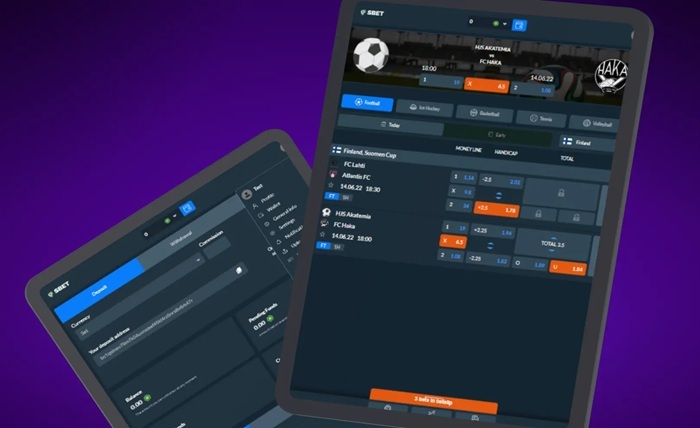
A lot of digital platforms compete for the same small pockets of attention now. People move from news pages to shopping screens, from search results to social feeds, then into entertainment without changing the pace of the visit very much. That shift changed the way websites are judged. Users no longer arrive ready to spend several minutes learning a messy layout. They want a page that explains itself quickly, keeps the most useful sections easy to find, and avoids making basic movement feel harder than it should. On a phone, that expectation becomes even stronger because the screen is smaller and patience disappears faster.
Pages Work Better When They Read Like Well-Edited Articles
One reason content platforms stay useful over time is simple. They rely on order. A reader expects a title that makes sense, sections that follow a visible sequence, and paragraphs that do not wander away from the point. That same discipline helps digital products far beyond publishing. A visitor opening a betting website in india also wants a page that feels arranged with purpose. The first screen should not look like everything was pushed into one place at once. Main areas need to stand apart clearly, and the next step should feel easy to spot without visual pressure from every side.
That kind of clarity has a lot in common with strong article formatting. A well-built page gives the eye a route to follow. The visitor sees where to begin, which block matters first, and where the supporting details sit around it. Readers who spend time on article-based websites are already used to judging structure very quickly. They know when a page feels organized and when it feels patched together. Entertainment sites benefit from that same editorial discipline because it helps the visitor move through the platform with less hesitation and more confidence.
Good Sectioning Reduces Friction Before the Visitor Notices It
A lot of website friction begins long before any technical issue appears. It begins when section names feel vague, when blocks compete for equal attention, or when the home page tries to present too many priorities at once. These problems are easy to underestimate because each one looks small on its own. Together, though, they change the mood of the whole visit. The user stops feeling guided and starts feeling mildly interrupted by the page itself. On a phone, that can be enough to end the session very quickly.
Small labels often do more work than large banners
A better label can improve the whole page faster than another oversized graphic ever could. When menu names sound natural, when short prompts are direct, and when category titles actually describe what sits beneath them, the layout starts feeling calmer almost immediately. This is one of the quiet lessons content platforms teach very well. Writing inside the interface is part of navigation. It should help the visitor understand the site, not add another layer of work to an already busy screen.
Repeat Visits Depend on Familiar Layout Logic
Most users do not turn a website into a habit after one perfect visit. They return in pieces. A person opens the page, leaves after a short session, and comes back later with less time and even less patience. That pattern makes consistency much more important than many teams admit. The page should feel easy to re-enter. Main sections should remain recognizable. The visitor should not feel as if the site needs to be learned again every time it opens. A more stable structure makes repeated visits smoother, and smoother visits usually lead to stronger loyalty over time.
Mobile Browsing Rewards Calm Hierarchy
The phone screen punishes clutter faster than desktop ever did. If too many blocks are stacked together, if headlines are doing the same job as buttons, or if promotional areas crowd the useful parts of the page, the entire experience starts feeling compressed. Better hierarchy fixes this by deciding what deserves the first glance and what can wait for the second. That kind of restraint often makes the site feel more polished because the visitor is no longer forced to sort the page out alone. The site is already doing some of that work through clearer structure.
Better Websites Usually Borrow From Good Publishing Habits
The strongest link between a content-driven donor and this acceptor is simple. Both depend on readable organization. One helps people move through written material without confusion. The other becomes easier to trust when it follows the same discipline in digital form. Clear titles, logical sections, familiar layout patterns, and plain interface wording all make the website feel easier to use from the start.